Understanding Wearable Medical Devices
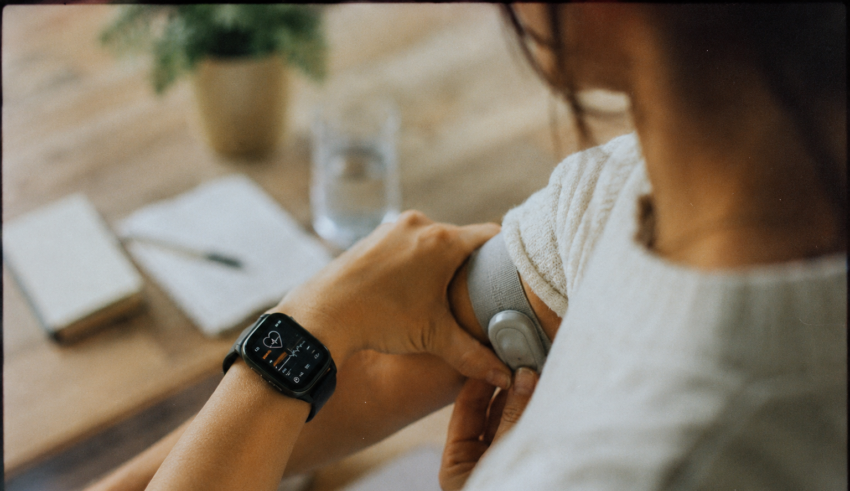
Wearable medical devices are electronic devices designed to be worn on the body to monitor, track, or assist with various health-related functions. Common examples include smartwatches with health tracking capabilities, continuous glucose monitors, heart rate monitors, wearable ECG devices, and advanced biosensors.
These devices gather health data continuously, allowing users and healthcare professionals to monitor conditions in real time. Unlike traditional medical equipment that may require visits to healthcare facilities, wearable devices provide ongoing access to important health metrics from virtually anywhere.
Many healthcare organizations are increasingly turning to Wearable Medical Devices to improve patient care and operational efficiency. By combining advanced materials with scalable production, Wearable Medical Devices supports hospitals, clinics, and medtech innovators seeking quality and speed.
Improved Patient Monitoring
One of the most significant benefits of wearable medical devices is continuous patient monitoring. Traditional healthcare assessments often rely on periodic checkups, which may not capture changes occurring between appointments.
Wearable devices can track important health indicators such as:
- Heart rate
- Blood pressure
- Blood oxygen levels
- Sleep patterns
- Physical activity
- Blood glucose levels
- Respiratory rates
This continuous monitoring allows healthcare providers to detect abnormalities earlier and intervene before conditions become severe. Patients also gain greater awareness of their health status, empowering them to make informed decisions about their well-being.
Enhanced Chronic Disease Management
Millions of people worldwide live with chronic conditions such as diabetes, cardiovascular disease, hypertension, and respiratory disorders. Managing these conditions requires consistent monitoring and adherence to treatment plans.
Wearable medical devices simplify disease management by providing real-time feedback and automated tracking. For example, continuous glucose monitoring systems help diabetic patients monitor blood sugar levels without frequent finger-prick tests. Similarly, wearable heart monitors can identify irregular heart rhythms and alert users to seek medical attention when necessary.
By delivering accurate and timely information, wearable technologies help reduce complications and improve long-term health outcomes.
Early Detection of Health Issues
Early detection often plays a critical role in successful treatment. Wearable medical devices can identify subtle changes in physiological data that may indicate the onset of illness or disease.
Examples include:
- Detection of abnormal heart rhythms
- Identification of sleep disorders
- Monitoring respiratory irregularities
- Tracking signs of infection or inflammation
- Detecting elevated stress levels
Healthcare providers can use this information to investigate potential issues before symptoms become severe. Early intervention not only improves patient outcomes but can also reduce healthcare costs associated with advanced disease treatment.
Greater Patient Engagement
Patient engagement is a major factor in healthcare success. Individuals who actively participate in managing their health are often more likely to follow treatment recommendations and maintain healthier lifestyles.
Wearable devices encourage engagement by providing users with immediate access to health information. Features such as activity goals, progress tracking, reminders, and personalized insights motivate users to stay involved in their healthcare journey.
When patients can visualize their progress and understand how daily choices affect their health, they are more likely to adopt positive habits that support long-term wellness.
Support for Remote Patient Care
Telehealth and remote healthcare services have expanded significantly in recent years. Wearable medical devices complement these services by supplying healthcare professionals with continuous patient data outside traditional clinical settings.
Remote monitoring enables providers to:
- Track patient recovery after procedures
- Monitor chronic disease progression
- Adjust treatment plans more effectively
- Reduce unnecessary hospital visits
- Improve communication with patients
This capability is particularly valuable for patients in rural areas or those with limited mobility who may face challenges accessing healthcare facilities regularly.
Increased Accuracy and Data Collection
Manual health tracking methods can be prone to errors or inconsistencies. Wearable devices automate data collection, reducing the risk of inaccurate reporting.
Many devices collect data continuously throughout the day, generating a comprehensive picture of a patient’s health. This large volume of information allows healthcare providers to identify trends and patterns that may not be apparent during occasional medical appointments.
Advanced analytics and artificial intelligence technologies can further enhance the value of this data by identifying potential risks and supporting evidence-based clinical decisions.
Improved Healthcare Efficiency
Healthcare systems worldwide face increasing demands due to aging populations and rising chronic disease rates. Wearable medical devices can help improve operational efficiency by reducing the need for routine in-person visits and enabling proactive care.
Benefits for healthcare organizations include:
- Faster access to patient information
- Improved clinical decision-making
- Reduced hospital readmissions
- Better resource allocation
- Enhanced patient outcomes
These efficiencies contribute to lower healthcare costs while maintaining high standards of patient care.
Advancements in R & D Medical Products
The growing popularity of wearable technology has accelerated innovation across the healthcare industry. Companies involved in R & D Medical Products are continuously developing new sensors, materials, and monitoring systems to enhance device performance and patient comfort.
Research efforts focus on creating devices that are:
- Smaller and more comfortable
- More accurate and reliable
- Energy efficient
- Capable of monitoring multiple health metrics
- Integrated with digital health platforms
As technology continues to advance, wearable devices are expected to become even more sophisticated, offering expanded capabilities that improve healthcare delivery worldwide.
Better Preventative Healthcare
Preventative healthcare aims to identify potential health risks before they develop into serious medical conditions. Wearable medical devices support this goal by encouraging regular health monitoring and promoting healthier lifestyles.
Users can track physical activity, monitor sleep quality, manage stress levels, and receive reminders that support wellness goals. These proactive measures can help reduce the risk of conditions such as obesity, heart disease, and diabetes.
Healthcare providers also benefit from access to ongoing patient data, allowing them to recommend preventative interventions based on objective health metrics rather than isolated clinical observations.
Improved Quality of Life
For many patients, wearable medical devices contribute significantly to improved quality of life. Continuous monitoring provides reassurance, particularly for individuals managing chronic illnesses or recovering from medical procedures.
The convenience of wearable technology allows patients to maintain greater independence while staying connected to healthcare providers. Real-time alerts and health insights can reduce anxiety and help individuals feel more confident in managing their conditions.
As devices become more comfortable and user-friendly, their adoption is expected to continue growing among patients of all ages.
The Future of Wearable Medical Devices
The future of wearable healthcare technology looks promising. Emerging innovations include smart clothing, implantable sensors, advanced biosensors, and AI-powered health monitoring platforms.
Future developments may enable devices to:
- Predict medical events before symptoms occur
- Monitor a broader range of biomarkers
- Integrate seamlessly with electronic health records
- Support personalized treatment plans
- Improve population health management
As healthcare systems increasingly embrace digital transformation, wearable medical devices will likely play an even greater role in improving patient outcomes and healthcare efficiency.
Conclusion
Wearable medical devices are revolutionizing healthcare by providing continuous monitoring, improving chronic disease management, supporting remote care, and enabling earlier detection of health issues. Their ability to generate accurate real-time data empowers both patients and healthcare providers to make better decisions and achieve improved outcomes.
With ongoing advancements in R & D Medical Products and increasing adoption across the healthcare industry, wearable technologies are poised to become a cornerstone of modern medical care. Organizations that invest in these innovative solutions can benefit from enhanced efficiency, improved patient satisfaction, and better overall healthcare delivery.
Frequently Asked Questions
What are wearable medical devices?
Wearable medical devices are electronic devices worn on the body that monitor, track, or assist with health-related functions such as heart rate, blood pressure, glucose levels, and physical activity.
How do wearable medical devices improve healthcare?
They provide continuous health monitoring, enable early detection of medical issues, support chronic disease management, and improve communication between patients and healthcare providers.
Are wearable medical devices accurate?
Many modern wearable medical devices are highly accurate and undergo rigorous testing. However, accuracy can vary depending on the device type and intended medical use.
Can wearable devices help manage chronic conditions?
Yes. Wearable devices are commonly used to manage conditions such as diabetes, hypertension, heart disease, and respiratory disorders through real-time monitoring and alerts.
What is the future of wearable medical technology?
Future wearable technologies are expected to incorporate advanced sensors, artificial intelligence, predictive analytics, and greater integration with healthcare systems to provide even more personalized care.