For facility managers and property owners in the Ohio Valley, maintaining a massive commercial building is a constant balancing act. The roof is arguably the most critical component of the entire structure. It protects inventory, houses complex HVAC equipment, and ensures the daily operations of the employees inside can continue without disruption. Because the local climate is so unpredictable, knowing exactly when to schedule Cincinnati commercial roofing services is a vital part of effective property management. Waiting for a visible leak to appear is a reactive strategy that almost always results in higher repair costs and dangerous interior water damage.
Commercial roofing systems, whether they are flat TPO membranes, EPDM rubber roofs, or standing seam metal, degrade over time due to environmental stress. The key to maximizing the lifespan of your roof and minimizing unexpected capital expenditures is proactive scheduling. Understanding the regional weather patterns and the specific needs of commercial materials will help you build a highly effective maintenance calendar.
The Impact of the Ohio Valley Climate
Cincinnati experiences a distinct four season climate, and each season presents a unique set of challenges for a commercial roof. The summer brings intense heat and high humidity, which can cause roofing materials to expand and trap heat. The winter brings freezing temperatures, heavy snow accumulation, and the constant threat of ice dams.
Perhaps the most damaging weather phenomenon in the region is the rapid freeze and thaw cycle. During the transition months of spring and autumn, Cincinnati can experience temperature swings of forty degrees or more in a single day. This causes extreme thermal shock. Every material on the roof expands in the heat and contracts in the cold. Over time, this constant stretching and pulling causes membranes to become brittle, flashings to pull away from parapet walls, and sealants to crack. Regular scheduling is the only way to catch and mitigate this thermal damage.
The Importance of Seasonal Inspections
The most important dates on your commercial maintenance calendar are in the spring and the fall. Industry experts highly recommend scheduling professional inspections during these two specific windows to stay ahead of weather related deterioration.
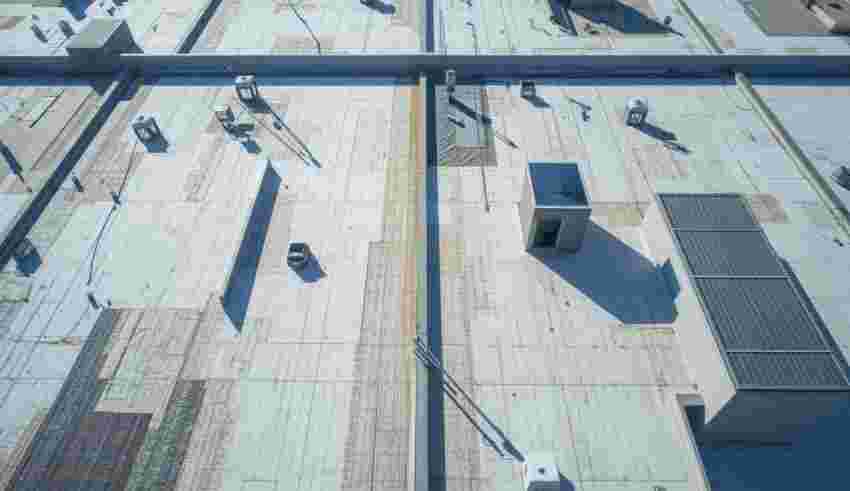
The Spring Recovery Assessment Winter weather is incredibly punishing on flat commercial roofs. As soon as the final snow melts, you should schedule an inspection to check for damage caused by expanding ice. This is the time for roofing professionals to identify cracks in the membrane, check for compromised seams, and clear out gutters and internal drains. Spring in Cincinnati is notorious for torrential downpours. Ensuring your drainage system is clear before the heavy rains arrive is essential to prevent ponding water, which can add massive structural weight to your building.
The Fall Preparation Check Before the first hard freeze hits the city, you need to ensure your building is completely watertight. A fall inspection focuses on securing loose flashings, reapplying sealants around HVAC curbs, and checking the condition of the insulation. Removing autumn leaves from scuppers and drains is absolutely mandatory. If drains are clogged when the winter freeze arrives, the trapped water will turn to solid ice, potentially causing severe structural damage.
The Best Time for a Full Roof Replacement
If your roof is nearing the end of its twenty year lifespan, or if an inspection reveals that the insulation is heavily saturated with water, you will need to schedule a full replacement. Timing this major project correctly is crucial for success and cost efficiency.
Most commercial roofing materials, including single ply membranes like TPO and PVC, rely on specialized adhesives and fluid applied sealants. These chemical products require specific ambient temperatures to cure properly. Generally, the temperature needs to be consistently above forty degrees Fahrenheit. Therefore, the optimal window for scheduling a full commercial roof replacement in Cincinnati is from late spring through early autumn. Trying to force a major installation during the freezing winter months is difficult, dangerous for the crews, and can compromise the integrity of the adhesive bonds.
Handling Emergency Repairs and Storm Damage
While planned maintenance is the ideal scenario, severe weather does not respect a schedule. Cincinnati frequently experiences severe thunderstorms accompanied by high winds and large hail. When these storms strike, emergency scheduling becomes necessary.
If your building experiences a major weather event, you should schedule a professional damage assessment immediately, even if you do not see water leaking inside. Hail can puncture single ply membranes and dent metal decking, while high winds can cause uplift, peeling the roofing material away from the edges of the building. Fast intervention allows professionals to install temporary protective coverings and water diversion systems, preventing secondary damage while you navigate the insurance claims process.
Building a Long Term Maintenance Strategy
The most cost effective way to manage a large facility is to partner with a reputable local contractor for a preventative maintenance agreement. This shifts the burden of remembering to schedule appointments from your shoulders to the experts.
From hospitals to warehouses, Cincinnati commercial roofing brings scalable solutions for complex commercial roofing needs. A dedicated roofing partner will track the age of your system, monitor its condition over time, and provide you with detailed reporting. This transparency allows you to budget accurately for future capital expenditures rather than being blindsided by an emergency replacement. By moving to a proactive schedule, you turn your commercial roof into a stable, managed asset.
Frequently Asked Questions (FAQ)
Q: How long does a commercial roof inspection usually take?
A: For a standard warehouse or retail facility, a comprehensive inspection typically takes one to two hours. The contractor will evaluate the perimeter, check all penetrations, and inspect the drainage systems.
Q: What is ponding water and why is it dangerous?
A: Ponding water is water that remains on a flat roof for more than forty eight hours after a rainstorm. It is dangerous because it adds immense weight to the structure and accelerates the breakdown of the roofing membrane.
Q: Can a commercial roof be coated instead of replaced?
A: Yes. If the underlying insulation is dry and the membrane is still structurally sound, applying a silicone or acrylic roof coating can restore the waterproofing capabilities and extend the life of the roof by ten to fifteen years.